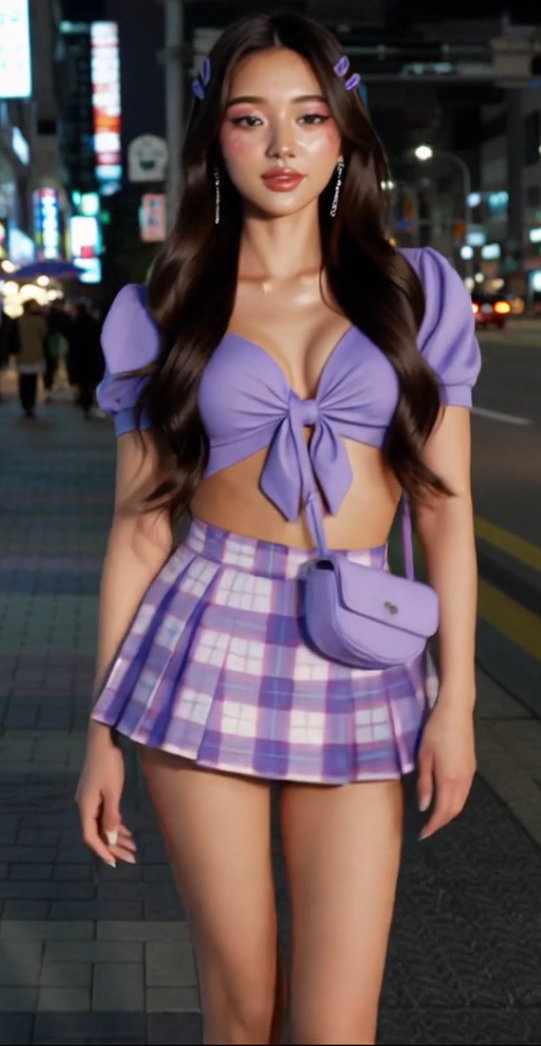
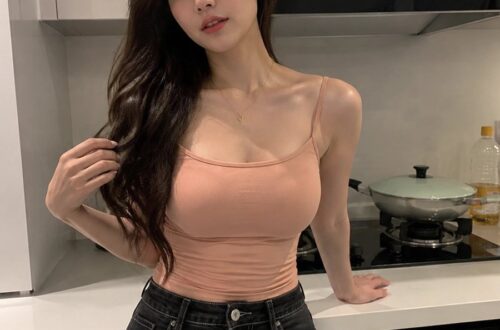
Use the attached reference photo to preserve the subject’s face likeness and identity (any age, any gender). Keep all visible accessories exactly as in the reference (including glasses/eyewear if present; if none, do not add any). Do not add new accessories or jewelry.
Render Style control (AUTO_MATCH_REFERENCE): infer the rendering style from the reference image and match it in the output—if the reference is photorealistic, output must be PHOTO; if the reference is a 2D illustration, output must be 2D; if the reference is a 3D render/stylized 3D portrait, output must be 3D. Do not mix styles. If Render Style is explicitly set to PHOTO/2D/3D, follow it strictly.
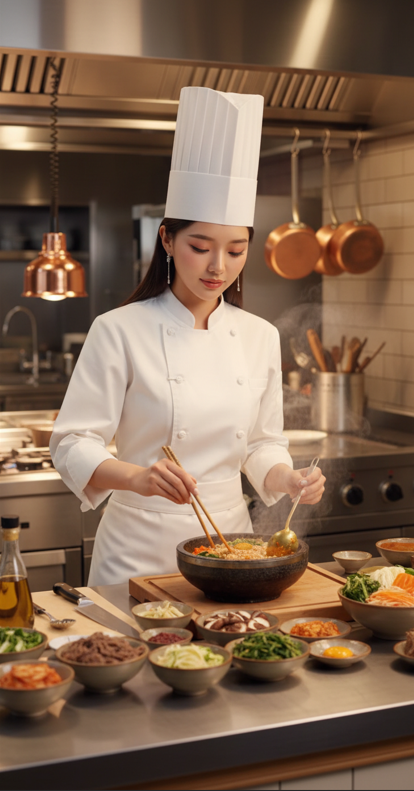
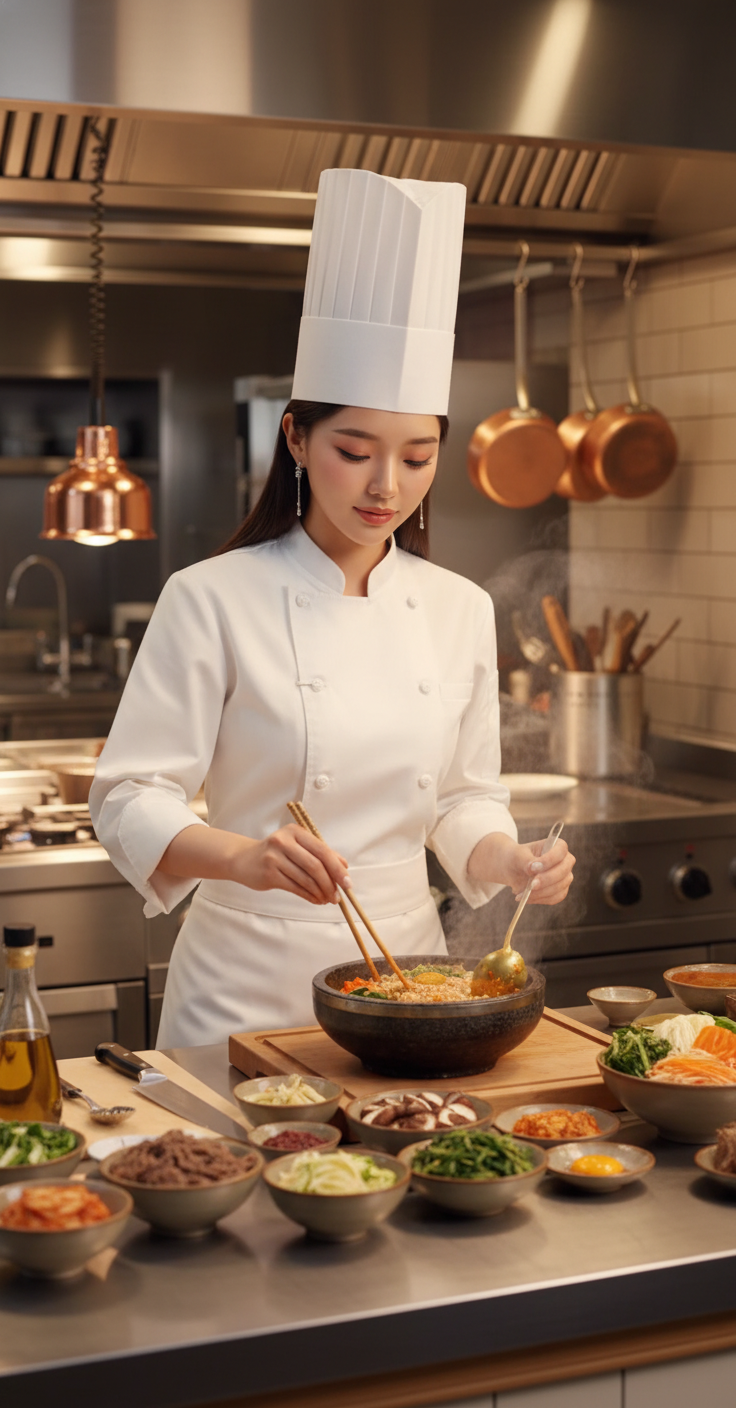
Scene: a high-end hotel luxury kitchen, immaculate stainless-steel surfaces, warm cinematic lighting, subtle steam in the air, refined premium atmosphere, shallow depth of field, high detail.
Character: the same person is cooking, wearing a professional chef uniform (Chef Outfit) and a tall chef hat (toque). The chef outfit must look authentic and tailored (crisp fabric, clean seams), and the chef hat must be clean and properly shaped. No brand logos on uniform/hat.
Pose & action: mid-cooking moment at a large professional cooking station, hands actively preparing Food (e.g., stirring, plating, sautéing, garnishing), focused and confident expression. Keep the face clearly visible and readable (no heavy shadow over eyes); keep a clean halo around facial features.
Hands realism: anatomically correct hands, five fingers each, natural grip on utensils, realistic wrist angles, no extra fingers, no deformed hands.
Cuisine Adaptation (AUTO_GLOBAL): automatically adapt the cooking method, cookware, garnish, and plating style to match the authentic cuisine of Food (global cuisines supported). Use culturally appropriate ingredients, tools, and presentation while keeping the overall scene as a luxury hotel kitchen. Avoid stereotypes; keep it respectful and culinary-accurate.
Countertop composition: on the prep counter in the foreground, neatly arranged fresh ingredients that clearly correspond to Food—show whole ingredients and prep states (washed vegetables, herbs, spices, proteins, aromatics) in elegant mise-en-place bowls and boards. The ingredients should look fresh, vibrant, and high quality. Include premium kitchen tools relevant to Food (chef knife, tongs, ladle, sauté pan or cuisine-appropriate cookware) without clutter.
Food fidelity: the dish being cooked and any visible plated version must match Food accurately, with realistic textures and appetizing detail (steam, gloss, moisture, micro-garnish). Avoid generic “random food” look. If Food is traditionally served in a specific vessel (bowl/stone pot/pan/banana leaf/plate), use the correct vessel and serving context.
Output styling by matched mode:
– PHOTO (when reference is photorealistic): cinematic photorealism, realistic skin microdetail, accurate reflections, natural lens bokeh, editorial food photography finish.
– 2D (when reference is 2D): high-end editorial illustration, clean but expressive linework, painterly shading, textured paper/grain overlay, refined color grading, preserve facial likeness in the same illustration style.
– 3D (when reference is 3D): premium stylized 3D portrait, realistic skin microdetail and subtle subsurface scattering, physically plausible kitchen lighting, preserve the same 3D stylization level as the reference.
Background details: high-end hotel kitchen elements (hanging pans, heat lamps, pass window, clean tile/metal backsplash), tasteful, not busy.
Constraints: no readable logos, no watermark, no extra text. Keep the full scene tasteful, professional, and food-forward.